
At Chainzone, we believe that traffic road signs do more than just mark routes and rules; they communicate critical information that helps drivers make safe decisions on the road. Among these signs, VMS Signs (Variable Message Signs) play a vital role by offering dynamic, real-time guidance that adapts to changing traffic conditions. To fulfill this role responsibly, meeting international standards like EN12966 is essential in ensuring clear visibility, reliable performance, and long-term durability.
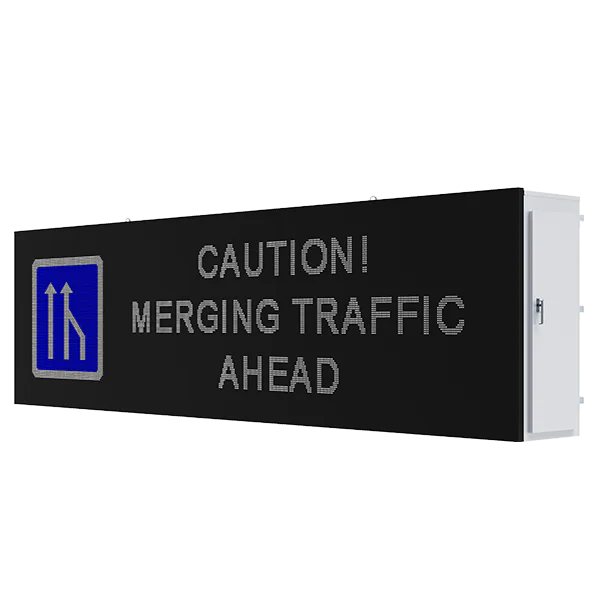
What EN12966 Means for Variable Message Signs
EN12966 is a European standard specifically developed for variable message traffic signs used on vertical traffic installations. This standard establishes clear and measurable requirements to ensure that VMS signs perform consistently in the diverse conditions encountered on roads across the globe. It applies to both temporary and permanent installations, covering highway and urban environments, and extends to use inside tunnels.
Under EN12966, manufacturers must design and test their signs to meet specific criteria for factors such as brightness, visibility, and resilience. These criteria help ensure that drivers can see and interpret messages quickly and reliably, regardless of lighting conditions or weather. Conformity assessments through recognized test methods are part of the compliance process that verifies the sign’s performance.
Key Standard Requirements for VMS Signs
To align with EN12966, VMS products must demonstrate compliance in several important areas:
Visual Performance: Signs need to meet defined luminance levels, color accuracy, and uniformity to guarantee legibility day and night. Beam width specifications determine how visible the sign is from different angles so that drivers have enough time to react.
Environmental Durability: Roads are dynamic environments where signs must endure temperature swings, moisture, dust, vibration, and other stresses without degradation. EN12966 outlines environmental tests that simulate these conditions to confirm reliability over the long term.
Physical and Electrical Standards: In addition to optical performance and durability, EN12966 includes requirements for structural integrity and electromagnetic compatibility. These measures ensure that VMS signs operate safely and do not interfere with other traffic systems.
How Chainzone VMS Meets the Standard
At Chainzone, we integrate EN12966 guidelines into the design and manufacture of our VMS Signs. By adhering to these global criteria, we can provide customers with signs that are clear, reliable, and adaptable to a wide range of traffic management needs. Whether for highways, urban streets, or special traffic zones, our VMS units uphold the performance expectations defined by EN12966.
Conclusion
Compliance with EN12966 is more than just a technical benchmark; it reflects a commitment to quality, safety, and consistency in traffic communication. By incorporating these standards into our VMS Signs, Chainzone supports more effective and responsive traffic management solutions. Investing in compliant road signage ensures dependable performance and contributes to safer journeys for all drivers.


