
Modern transportation networks rely on intelligent traffic management systems to coordinate vehicle movements across highways, urban roads, tunnels, bridges, and major interchanges. As traffic volumes increase and road conditions change rapidly, transportation authorities need more effective ways to communicate with drivers and respond to unexpected incidents. Smart Traffic technology connects traffic monitoring, information processing, and roadside communication to support safer and more efficient road operations.
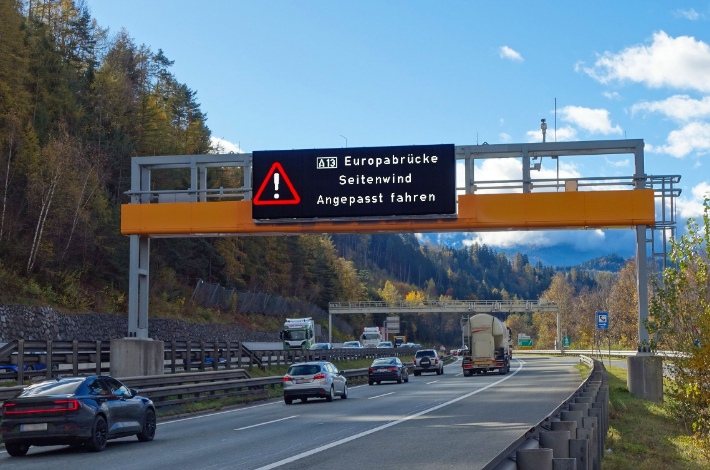
Dynamic display systems play an important role in this process. By delivering timely information about congestion, roadworks, lane closures, and hazardous conditions, they help drivers understand changing road situations before reaching critical sections. Integrating these displays into a centralized traffic management network enables operators to coordinate messages across multiple locations and maintain consistent communication throughout the road network.
Dynamic Traffic Information for Changing Road Conditions
Traffic conditions can change within minutes due to accidents, sudden congestion, maintenance activities, or severe weather. Static signs provide essential permanent instructions, but they cannot communicate every temporary change. Transportation authorities therefore require flexible information systems that can adapt to real-time operating conditions.
Variable message signs (VMS) address this need by displaying changeable traffic information according to operational requirements. Drivers can receive warnings, lane instructions, diversion guidance, and other important updates before entering affected road sections. Timely communication gives road users more opportunity to respond appropriately and helps operators manage traffic during unexpected events.
Within a broader Smart Traffic system, VMS installations can work alongside traffic sensors, incident detection equipment, and central control platforms. This integration allows traffic authorities to distribute relevant information across different locations rather than relying on isolated signs and manual updates.
For highways, tunnels, bridges, and urban arterial roads, effective dynamic messaging is therefore not simply a display function. It is part of a coordinated approach to traffic information management and road safety.
Maintaining Visibility in Different Lighting and Weather Conditions
Outdoor traffic displays must remain readable under changing environmental conditions. Direct sunlight can reduce the apparent contrast of displayed information, while nighttime operation requires careful brightness management to avoid excessive glare. Rain, fog, and other adverse weather conditions can further complicate visual communication.
Display selection should therefore consider luminance, contrast, color uniformity, optical performance, and viewing distance. These characteristics influence how easily drivers can recognize messages within the time available while approaching a sign. Automatic brightness adjustment can also help adapt display output to ambient lighting conditions.
LED-based variable message signs provide a flexible platform for displaying traffic information in outdoor environments. However, actual visibility depends on the complete optical design, the selected configuration, the installation angle, and the surrounding conditions. Choosing an appropriate display requires evaluating these factors together rather than relying on brightness alone.
Consistent visual performance is particularly important where drivers need to distinguish between routine traffic information and urgent warnings. Clear, appropriately presented messages help reduce uncertainty and support more effective traffic management.
Reliable Hardware for Long-Term Roadside Operation
Roadside electronic equipment is exposed to rain, dust, sunlight, and temperature fluctuations throughout its service life. These environmental stresses can affect component reliability and increase maintenance requirements if the equipment is not selected for its intended installation conditions.
A suitable traffic display system should therefore combine appropriate enclosure protection with durable construction, manageable maintenance access, and clearly defined operating limits. Environmental ratings and temperature specifications should be matched to local climate conditions and the physical characteristics of the installation site.
Modular construction can also simplify maintenance by allowing technicians to access or replace relevant components without unnecessarily dismantling the entire installation. For traffic authorities managing numerous roadside devices, a practical maintenance strategy helps control service interruptions and lifecycle costs.
These requirements should be considered during the planning stage of a Smart Traffic project. Evaluating environmental conditions, maintenance access, and equipment specifications together helps ensure that the selected display technology is suitable for long-term outdoor deployment.
Centralized Control and Real-Time Traffic Data Integration
An intelligent traffic network requires effective communication between roadside equipment and central management systems. Traffic sensors, monitoring platforms, and incident detection systems can provide information about current road conditions, while control software helps operators determine which messages should be displayed at specific locations.
Centralized management enables traffic authorities to coordinate information across multiple signs. When an accident or road closure occurs, operators can distribute relevant warnings and diversion instructions to affected sections of the network. Consistent messaging helps drivers receive clearer guidance as they approach and move through changing traffic conditions.
Communication compatibility is a critical part of this integration. Depending on the equipment configuration, interfaces such as Ethernet, optical fiber, or serial communication can connect roadside displays with existing traffic management infrastructure. Supported protocols and control functions should be verified against the requirements of the intended system.
Equipment monitoring is equally important. Centralized diagnostic functions can help operators identify abnormal device conditions and organize maintenance before equipment problems become more disruptive. Combining traffic data management with display monitoring gives authorities a clearer overview of both traffic conditions and roadside system status.
Chainzone Variable Message Signs for Smart Traffic Applications
When selecting roadside display equipment, transportation authorities must consider optical performance, environmental protection, communication compatibility, and maintenance requirements together. Our EN12966 Variable Message Sign range is designed for traffic information applications where clear messaging and appropriate technical configuration are essential.
Our L-Series and M-Series offer different pixel pitches and configuration options to accommodate varying display requirements. The specifications identify LED optical technology, automatic brightness control, and modular maintenance features. Available communication interfaces and environmental specifications vary by series and configuration, allowing project teams to evaluate suitable options for their specific applications.
For system integration, our product documentation also identifies ChainSpot® as a centralized management solution for monitoring display equipment. Supported communication interfaces and protocols should be confirmed for the selected model to ensure compatibility with the wider traffic control platform.
The EN12966 standard is another important consideration when specifying variable message signs for road traffic applications. Project teams should verify the applicable standard, certification scope, and technical documentation for the exact product configuration required by the project.
By evaluating these product capabilities alongside roadway geometry, viewing distance, environmental exposure, and control-system requirements, transportation authorities can select a display solution that fits the needs of their traffic management network.
Supporting Safer and More Efficient Road Operations
Smart Traffic infrastructure must accommodate different operational scenarios, from routine highway management to temporary traffic control and unexpected emergencies. Variable message signs can communicate congestion warnings, construction notices, lane restrictions, tunnel access information, and weather-related alerts according to the needs of each application.
On urban roads, dynamic information can help drivers respond to changing traffic conditions. At highway interchanges, advance warnings can communicate route changes and potential delays. In work zones, temporary messages can clarify altered lane arrangements and guide road users through construction areas.
The effectiveness of these applications depends on more than display hardware alone. Accurate traffic data, appropriate message design, reliable communication, and consistent operating procedures are all necessary to deliver useful information at the right time and location.
A well-planned Smart Traffic deployment combines these elements into a coordinated information network. This approach allows transportation authorities to adapt their communication strategies as traffic conditions evolve and infrastructure requirements change.
Scalable Display Integration for Future Transportation Networks
As transportation networks expand, authorities need infrastructure that can accommodate additional roadside equipment, evolving communication technologies, and new traffic management requirements. Scalable system architecture makes it easier to extend display coverage while maintaining consistency across existing installations.
Modular hardware, compatible communication interfaces, centralized monitoring, and appropriate maintenance planning all contribute to a manageable long-term deployment. Energy consumption should also be considered during equipment selection, with LED technology and automatic brightness control offering potential efficiency benefits depending on operating conditions and system configuration.
At Chainzone, we provide Smart Traffic solutions to support the integration of intelligent display technology into modern transportation infrastructure. By combining suitable roadside display equipment with system-level planning and centralized management, we help project teams address the practical requirements of dynamic traffic information delivery.
Reliable Smart Traffic integration enables transportation authorities to communicate changing road conditions more effectively, improve operational coordination, and support safer movement across highways and urban road networks.


