
Coastal highways and bridges are among the most demanding environments for transportation infrastructure. While the scenic views are breathtaking, the proximity to the ocean subjects equipment to a constant barrage of salt-laden air, high humidity, and intense UV radiation. In these marine climates, standard materials can deteriorate at an accelerated rate. Salt aerosols are particularly aggressive, settling on surfaces and initiating oxidation that can lead to structural rust and the failure of sensitive electronic components. For authorities managing maritime corridors, selecting equipment that is specifically engineered for “Environmental Adaptability” is a critical requirement to ensure long-term road safety.
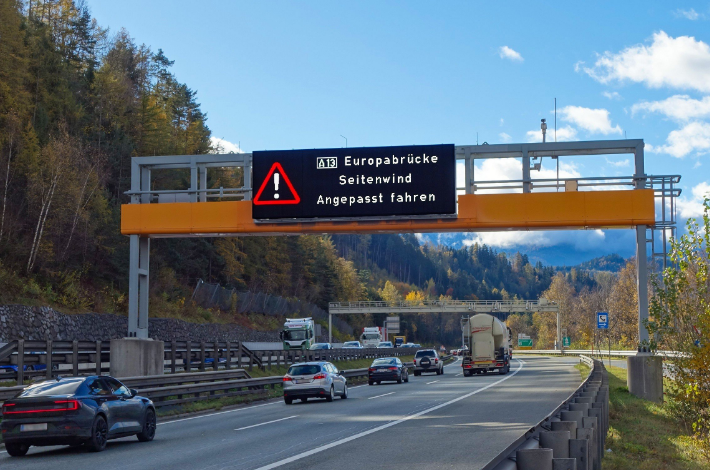
Engineering for Resilience: The EN12966 Standard
To combat these harsh conditions, road digital signs must adhere to rigorous international standards, most notably EN12966. This European quality benchmark includes specific testing for “Resistance to Corrosion,” ensuring that the housing and internal components can withstand salt spray without compromising structural integrity. A key defense in these areas is the use of marine-grade materials, such as high-grade aluminum alloys, which are often further protected by specialized powder coatings or anodized finishes. Additionally, an enclosure with a high Ingress Protection (IP) rating—such as IP66—is essential. This level of sealing prevents moisture and salt particles from entering the cabinet, safeguarding the LEDs and control circuitry from the short circuits and “pixel death” that often plague non-certified displays.
Chainzone’s Marine-Ready Smart Traffic Solutions
At Chainzone, we specialize in providing high-performance smart traffic infrastructure that excels in the world’s most difficult climates. With over 25 years of experience and EN12966 certification across our entire product range, we have developed a suite of technologies designed to thrive where others fail. We understand that in coastal regions, reliability is a non-negotiable factor for public safety.
Our road digital signs are engineered to provide maximum durability through a combination of material science and patented optical design. Our Variable Message Signs (VMS) utilize high-grade aluminum cabinets that are powder-coated for superior exterior protection. We have replaced traditional plastic masks with a patented, UV-resistant, and self-cleaning lens system. This innovation is vital for coastal applications, as it prevents the salt-crust buildup that can obscure messages while protecting the internal LEDs from the yellowing effects of intense coastal sun.
The advantages of our coastal-ready systems include:
- Superior Environmental Protection: Our units feature IP66 mechanical protection and are tested for T1, T2, and T3 temperature ranges, ensuring stable operation from -25°C to +60°C.
- Intelligent Monitoring: Through the ChainSpot® platform, we provide real-time internal temperature detection and pixel-level error monitoring, allowing for proactive maintenance before a coastal storm strikes.
- Proven Global Deployment: Our technology has been trusted in mission-critical maritime projects, including the Hong Kong-Zhuhai-Macao Bridge and the Norway Sub-sea Tunnel.
- Diverse Application Scenarios:
- Bridge Traffic Management: Handling high wind loads and salt spray on oceanic spans.
- Coastal Expressways: Providing high-visibility alerts during sea fog or heavy rain.
- Tunnel Safety: Reliable guidance in high-humidity subterranean environments.
By choosing Chainzone, you are investing in a partnership that prioritizes longevity and precision. We continue to push the boundaries of smart traffic technology, ensuring that even in the most corrosive environments, your message remains clear and your infrastructure remains secure.


