
Sports venues today rely on advanced visual technology to engage fans and enhance the overall event experience. A well-designed stadium LED display can transform the atmosphere, providing clear visuals and dynamic content that keeps audiences captivated throughout the game. For operators, the challenge lies not only in delivering high-quality imagery but also in ensuring that the system runs efficiently without excessive energy consumption.
Understanding Energy Efficiency in LED Displays
Energy efficiency in a sports venue LED display depends on several factors, including the quality of the LEDs, the control system, and the operational strategy. Modern LED technology uses less power while maintaining brightness and color accuracy, reducing the overall energy footprint of the stadium. Lens-on-board (LOB) and low-current driving techniques can achieve required luminance with less energy and lower heat generation, which contributes to longer component life and fewer cooling demands.
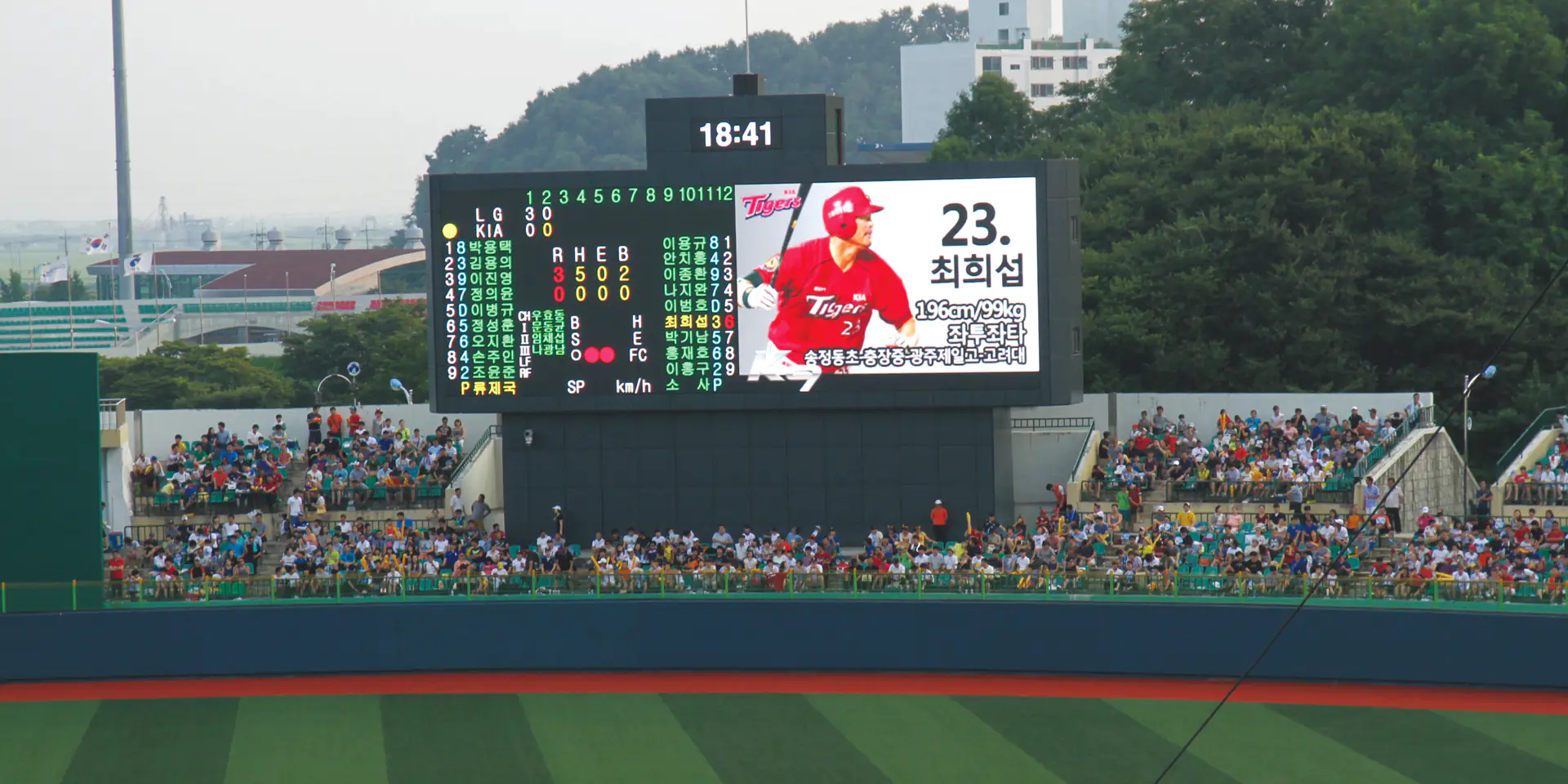
Another key factor is the integration of multiple display types, such as perimeter boards, ribbon displays, scoreboards, and centerhung displays. When these systems are designed to operate cohesively, they can share processing resources and reduce redundant power consumption. A unified control architecture also enables synchronized content delivery and consistent color calibration, which preserves visual fidelity while avoiding unnecessary processing overhead.
Strategies for Optimized Operation
Sports venues can implement several strategies to maintain energy-efficient operation. Scheduling display activity based on event needs helps minimize unnecessary power use during downtime. For example, reducing brightness or using simplified content during pre-game practice sessions and training events lowers consumption without affecting fan-facing events. Utilizing energy-saving modes during less attended matches, halftime, or intermissions can also yield significant savings over a season.
Adaptive brightness control is essential. Sensors and real-time algorithms that adjust LED output according to ambient light conditions ensure displays are never brighter than necessary. This not only reduces energy draw but also improves viewer comfort by preventing glare.
Maintenance and component selection are part of the efficiency equation. Periodic maintenance ensures LEDs and power supplies operate at peak efficiency, preventing energy loss due to aging components or malfunctioning modules. Choosing modular panels and block-structure designs simplifies repairs and reduces the time systems operate in degraded, less efficient states.
Conclusion
Optimizing a sports venue LED display for energy efficiency requires thoughtful design, advanced control systems, and ongoing monitoring. By adopting an integrated approach that aligns perimeter boards, ribbon displays, scoreboards, and centerhung displays, operators can reduce energy consumption while maintaining an immersive experience for fans. Chainzone delivers complete visual systems engineered for efficient operation without compromising quality. Our solutions combine energy-saving LED technologies, modular design, and intelligent management tools to help sports venues lower operational costs, extend display life, and amplify audience engagement.


