
In today’s rapidly evolving traffic environment, effective communication between infrastructure and travelers is more important than ever. At Chainzone, we understand that modern smart cities and transport networks depend on clear, dynamic traffic message boards that not only inform but do so efficiently. In this article, we explore how traffic message boards, especially VMS boards, can support energy-saving smart infrastructure with reliable performance and real-time adaptability.
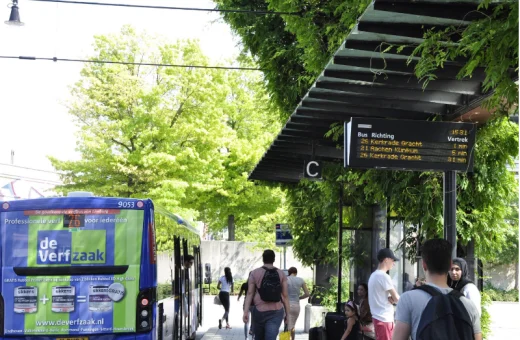
What Are Traffic Message Boards and VMS Boards
Traffic message boards are electronic signage systems designed to display information to drivers and pedestrians. Among these, variable message signs, commonly called VMS boards, stand out for their ability to change the displayed content based on current traffic conditions or alerts. Rather than relying on static signs that remain unchanged, VMS boards offer real-time communication that evolves with the needs of a roadway or transit hub. They can show warnings about congestion, lane closures, speed advisories, and other essential traffic information.
For smart infrastructure projects, this adaptability makes a significant difference. Transportation authorities can update messages remotely, responding instantly to changing conditions such as weather, accidents, or unexpected roadwork. This responsiveness supports smoother flow and improved safety across road networks.
Integrating Energy Efficiency into Smart Traffic Systems
Energy usage is a central consideration in smart infrastructure planning. Traditional illuminated signage and static displays can draw a significant amount of power, which adds to both operational costs and environmental impact. Chainzone’s VMS boards, including our EN12966-compliant solutions, are designed with energy efficiency in mind, ensuring they serve communication needs without unnecessary power drain.
One key aspect of achieving energy savings is the use of LED technology, which consumes less energy while delivering high visibility and brightness. High-performance LEDs maintain clarity even in bright daylight while reducing power demand compared to older technologies. Moreover, EN12966 standards require careful attention to optical performance and electrical efficiency, ensuring that VMS units meet rigorous criteria for brightness without excessive energy use.
At Chainzone, we go further with intelligent systems that can adjust brightness based on ambient light conditions. This means that a VMS board can operate at optimal performance levels during daytime glare while dimming intelligently at night or in low-light situations to conserve energy.
Real-Time Adaptability and Remote Control
Another dimension of energy savings lies in operational flexibility. Modern VMS boards can be integrated into centralized traffic management systems, allowing infrastructure managers to control messages remotely. This centralized approach reduces the need for onsite personnel and enables quick updates without physical interventions.
By linking VMS boards with traffic control platforms and sensors, cities can automate message adjustments based on traffic conditions, weather sensors, or emergency alerts. This reduces manual handling and ensures that signs display only necessary messages, further minimizing energy usage through optimized display cycles.
Supporting Sustainability and Infrastructure Goals
Smart infrastructure aims to be sustainable, efficient, and responsive. Traffic message boards and VMS boards play a role in that ecosystem by delivering critical information when and where it’s needed, with energy use under control. Reducing the power draw of information systems contributes to broader sustainability targets while supporting safe, informed travel.
By choosing solutions like Chainzone’s VMS boards, planners and engineers can implement dynamic signage that aligns with modern energy expectations. EN12966-certified products offer a balance of optical performance, durability, and power efficiency, supporting infrastructure projects from highways to urban street networks while helping manage operational costs.
Conclusion
Traffic message boards and VMS boards are essential components of contemporary traffic and smart city infrastructure. At Chainzone, we focus on developing solutions that combine real-time adaptability with energy-saving capabilities. By embracing advanced LED technology, intelligent brightness control, and seamless integration with traffic management systems, our VMS boards deliver reliable performance while contributing to energy-efficient operations. Whether you are managing a busy urban corridor or a complex highway system, Chainzone’s approach supports smarter, more responsive traffic communication for every infrastructure project.


