
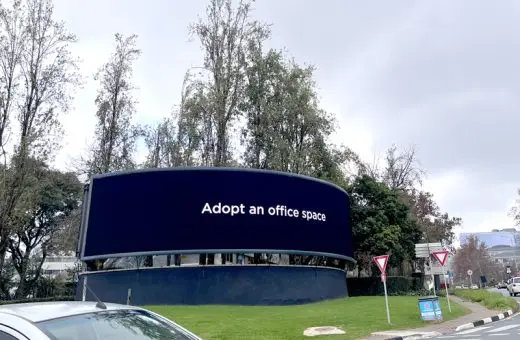
A digital billboard built with LED technology has become a standard format for outdoor advertising due to its visibility and flexibility. Before installation begins, proper planning is essential. This includes defining the location, structure type, and viewing direction.
Most LED billboard installations fall into two main categories: wall-mounted and column-mounted structures. Wall-mounted systems are attached to building facades, while column-mounted designs rely on single or double poles anchored in concrete foundations.
Site surveys play a crucial role in ensuring long-term performance. Factors such as wind exposure, sunlight direction, cable routing, and maintenance access must be evaluated early to avoid costly adjustments later.
Step-by-Step Installation Process
Installing an LED billboard requires both engineering precision and safety awareness. The process typically begins with foundation preparation. For outdoor billboards, reinforced concrete bases are used to support the weight of the steel structure and display modules.
Next comes the structural assembly. Steel frames are erected and aligned to ensure stability under environmental stress such as wind and vibration. After that, LED cabinets or modules are mounted onto the frame according to the layout design.
Electrical setup follows, including power distribution, signal wiring, and grounding. Proper cable routing is critical, as poor organization can lead to system failures or difficult troubleshooting later.
Finally, system testing and commissioning are completed. This includes checking brightness, signal transmission, and content playback to ensure the digital billboard operates correctly.
Choosing the Right Maintenance Method
Maintenance design should be decided during installation. There are three common approaches: front maintenance, rear maintenance, and combined access systems.
Front maintenance allows technicians to service modules directly from the front, making it suitable for locations with limited rear space. Rear maintenance requires a service corridor behind the display, offering easier access for large installations. A combined system provides flexibility but may involve higher costs.
Selecting the right method ensures easier servicing and reduces downtime over the lifespan of the LED billboard.
Routine Maintenance for Long-Term Performance
Regular maintenance is essential to keep a digital billboard operating efficiently. Cleaning the LED surface helps maintain brightness and image clarity, as dust and pollution can reduce visual performance over time.
Structural inspections should also be performed periodically. Checking bolts, welding points, and coatings helps prevent corrosion and ensures the frame remains stable in outdoor conditions.
Electrical components require attention as well. Loose connections, damaged cables, or worn-out modules should be replaced promptly to avoid larger system failures.
In addition, preventive maintenance such as seal inspections and airflow checks can reduce the risk of moisture damage and overheating.
Conclusion
Installing and maintaining a digital billboard involves more than simply mounting a screen. It requires careful planning, solid structural design, and ongoing care to ensure reliability and visual quality. From selecting the right installation method to scheduling regular inspections, each step contributes to the overall lifespan of an LED billboard.
Chainzone provides intelligent display solutions that support efficient installation and long-term operation. With well-designed systems and practical maintenance strategies, businesses can keep their LED billboard running smoothly while delivering consistent advertising performance.


