
In today’s rapidly urbanizing world, managing traffic efficiently is a core challenge for cities striving to improve mobility and safety. At Chainzone, we understand that smart traffic systems are no longer a luxury but a necessity. One of the most effective ways to elevate urban traffic management is through the integration of Variable Message Signs (VMS) into comprehensive traffic solutions. By weaving these dynamic displays into broader traffic strategies, cities can communicate timely information to road users, reduce congestion, and support smarter decision-making on the move.
How VMS Enhances Urban Traffic
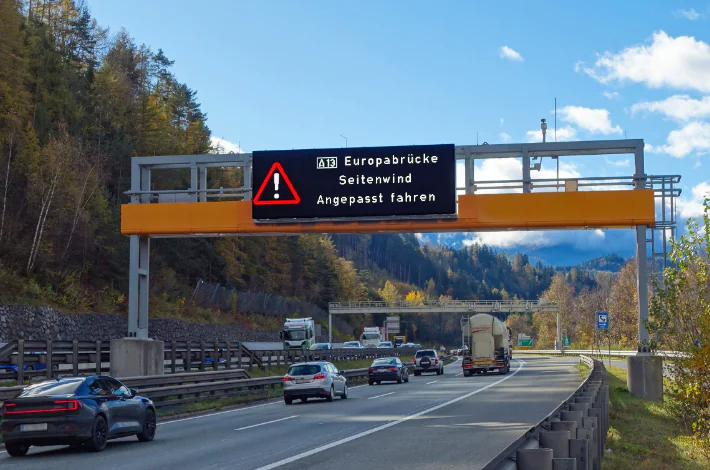
VMS units are dynamic LED displays that deliver real-time information to drivers and pedestrians. These systems can show alerts for congestion, emergency notifications, lane closures, or weather-related warnings that impact travel conditions. Unlike static signage, VMS adapts on the fly, responding to evolving traffic conditions to keep road users informed and supported.
When VMS is integrated into broader traffic solutions, the system no longer simply displays static directions; it becomes a communication hub. For example, during peak congestion periods, messages can guide drivers to less crowded routes or highlight alternate options such as public transit links. This level of responsiveness contributes to smoother flows across busy urban corridors, minimizing delays and helping maintain consistent movement through complex junctions.
Linkage with Central Traffic Management
One of the most impactful aspects of integrating VMS is the connection to centralized traffic management platforms, such as the ChainSpot VMS management platform offered by Chainzone. This web-based system allows traffic authorities to monitor and manage VMS units across the city in real time. With centralized control, operators can update messages remotely, schedule alerts, or react immediately to incidents or changing road conditions, all through a single interface accessible via standard web browsers.
This integrated approach supports a cohesive network rather than isolated signage. When VMS is paired with sensors, signal timing systems, and traffic analytics tools, it becomes part of a data-driven ecosystem. Traffic managers gain visibility into bottlenecks and patterns, enabling more informed decisions that help keep vehicles moving safely and efficiently.
Supporting Diverse Urban Needs
Urban environments pose varied demands on traffic infrastructure. In densely populated areas, frequent updates on parking availability help reduce “cruising” traffic that contributes to unnecessary congestion. Similarly, real-time alerts about public transit schedules or temporary road restrictions empower drivers and pedestrians alike to choose optimal routes.
By integrating VMS into smart traffic frameworks, cities also enhance safety. Real-time hazard warnings or emergency detour instructions keep road users aware of unfolding situations. These capabilities contribute to a more responsive and resilient urban traffic network that benefits everyone on the road.
Conclusion
At Chainzone, we see the integration of variable message signs into urban traffic solutions as a key step toward smarter, more responsive mobility systems. By combining dynamic messaging with centralized management platforms and real-time data feeds, cities can offer clearer communication, reduce congestion, and support safer, more efficient travel for all. With thoughtful implementation and ongoing optimization, VMS plays a vital role in shaping urban traffic that adapts to the needs of modern life.


