
High-speed highway transit leaves motorists minimal margin for error during sudden traffic disruptions. Traveling at seventy miles per hour, drivers cover over one hundred feet every single second, turning minor roadway obstructions, sudden stalls, or debris into catastrophic multi-vehicle pileups if hazard alerts arrive late.
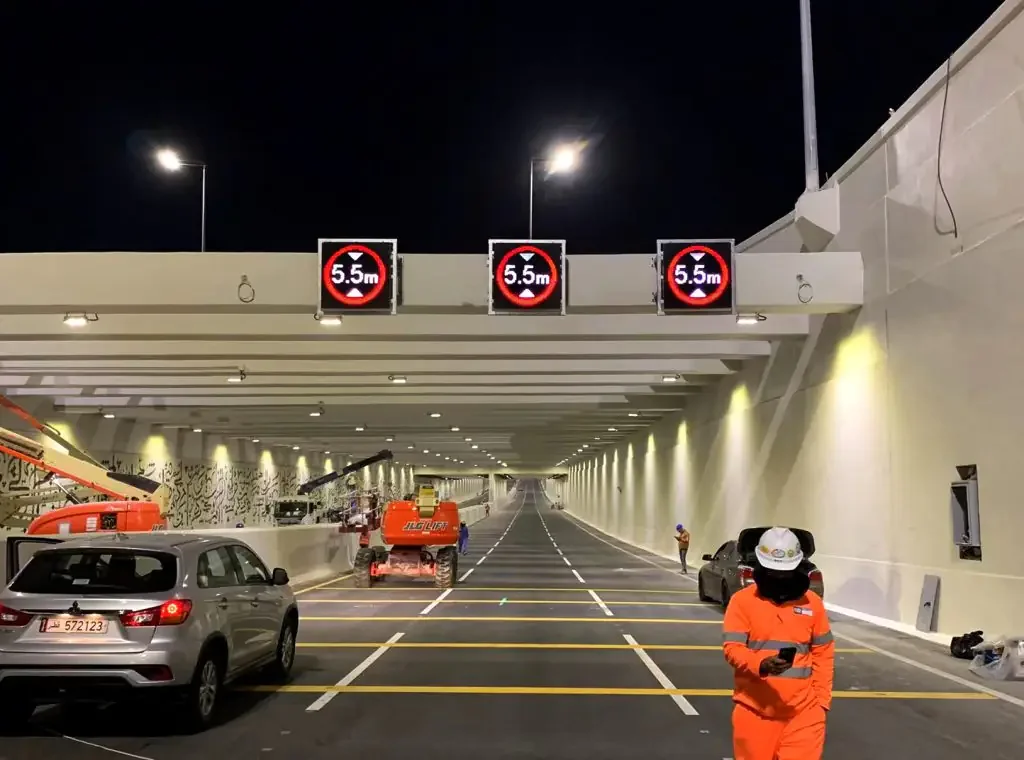
Deploying high brightness LED message signs alongside high-risk corridors creates an immediate visual beacon that extends sightlines. Clear dynamic alerts encourage motorists to reduce speed earlier and more gradually, helping lower the risk of abrupt braking and multi-vehicle collisions.
Extending Driver Perception-Reaction Windows to Prevent Shockwave Collisions
Traffic shockwaves originate when trailing vehicles brake substantially harder than leading cars due to delayed hazard perception. Alerting approaching traffic miles before physical queues form dampens this dangerous accordion effect, stabilizing vehicular deceleration into a smooth, predictable flow across all active travel lanes.
Highway agencies rely on traffic message boards to broadcast real-time queue warnings and variable speed advisories. Providing upstream notice gives drivers adequate distance to scan surrounding lanes, select alternate routes, and decelerate comfortably without panic.
Cognitive reaction times directly dictate crash severity on high-speed motorways. Delivering standardized pictograms and high-contrast text compresses driver perception, identification, and decision intervals, allowing motorists to initiate defensive braking hundreds of feet sooner.
Early deceleration dramatically reduces kinetic energy before vehicles reach congested roadway segments. Even a 10 mph reduction in approach speed can shorten stopping distance under comparable road conditions, giving drivers more room to respond to slowing or stopped traffic.
Piercing Solar Glare and Fog with Certified Photometric Contrast
Direct solar backlighting blinds oncoming motorists during dawn and dusk, washing out standard highway markers into indistinguishable silhouettes. Electronic displays must maintain intense optical contrast against ambient sunlight to remain instantly legible across active lanes.
Unshielded diodes often suffer from the phantom effect when low-angle sunlight enters internal cavities, falsely illuminating inactive pixels. Drivers struggle to decipher corrupted numbers or garbled symbols, causing hesitation and dangerous lane drift at critical junctures.
The European EN 12966 standard establishes performance requirements for variable message signs, including luminance and contrast classifications. The appropriate classes, such as L3 for luminance and R3 for contrast, depend on project specifications and applicable regulatory requirements. Meeting these optical thresholds can help dynamic pictograms remain legible under intense summer glare while reducing the risk of haloing and loss of contrast.
CHAINZONE’s ball-shaped lens technology is designed to optimize light distribution toward approaching motorists while helping reduce unwanted reflections and improve display visibility in outdoor environments. Superior optical control allows our high brightness LED message signs to preserve crisp legibility under dense fog and heavy rainfall.
Smooth, UV-durable lens faces replace traditional horizontal louvers that collect road grime, soot, and winter salt. UV-resistant, self-cleaning lens surfaces help limit dirt accumulation and maintain display clarity. The specified C2 color classification supports consistent color performance under the applicable test conditions.
Eliminating Nighttime Visual Disturbance Through Precision Beam Steering
Nighttime roadway safety requires an entirely different photometric balance than midday operations. Overhead displays blasting excessive luminous power blind approaching motorists, causing temporary flash blindness that increases accident risks along dark interstates.
Integrated ambient light sensors continuously gauge changing twilight conditions to automate one-hundred-level brightness control curves. Calibrated dimming scales diode output down to comfortable levels, preserving driver night vision while maintaining distinct character edges.
Directional beam collimation confines light projection strictly within active travel lanes rather than upward into night skies. Modern traffic message boards avoid casting distracting glare into oncoming lanes or surrounding residential neighborhoods, keeping driver focus locked on roadway guidance.
EN 12966 beam width classes B1 through B7 define different angular viewing requirements. Selecting an appropriate beam distribution helps direct light toward approaching drivers while reducing unnecessary glare and light spill.
Dynamic Work Zone Guidance and Incident Management
Temporary work zones represent some of the most dangerous environments on modern highway networks. Abrupt lane mergers, unexpected machinery movements, and shifting lane closures frequently catch inattentive drivers off guard, endangering highway workers and motorists alike.
Strategically positioning high brightness LED message signs well ahead of construction taper zones gives motorists ample time to merge safely. Dynamic merge arrows and flashing safety icons guide traffic smoothly past bottlenecks, reducing lane friction and side-impact collisions.
Speed harmonization strategies deploy stepped speed reductions to slow incoming traffic gradually before narrow work zones and bridge bottlenecks. Coordinated speed advisories or variable speed limits displayed across successive gantries can help reduce speed differences and encourage smoother traffic flow near active work zones.
Centralized management platforms like ChainSpot enable traffic controllers at Chainzone client facilities to update messages instantly across remote corridors. Automated incident detection systems trigger rapid lane-closure warnings seconds after roadside sensors register a stalled vehicle.
Mobile and trailer-mounted traffic message boards provide essential tactical agility during unexpected bridge closures, detours, or severe flooding. Deploying portable dynamic warning signs ensures transport authorities can safeguard motorists anywhere unexpected hazards emerge.
Securing Fail-Safe Reliability Across Hostile Roadway Environments
Roadside equipment faces punishing conditions along busy freight corridors, from corrosive diesel exhaust fumes and sub-zero blizzards to blistering desert heatwaves. Electronic signs that malfunction during severe weather leave highway corridors unmonitored precisely when motorists need critical guidance most.
Engineered aluminum cabinets with IP65 and IP66 ingress protection ratings help protect internal electronics against water and dust ingress. T1, T2, and T3 classifications define the applicable environmental operating temperature ranges for the display, supporting reliable performance under varying outdoor climate conditions.
Smart optical packaging delivers maximum luminous intensity while drawing fractional electrical current. Lower thermal emissions eliminate failure-prone cooling fans, allowing fully sealed chassis to operate continuously without risking internal heat stress or unexpected module blackouts.
Protecting motorway travelers requires robust communication platforms that combine certified optical clarity with uncompromising mechanical endurance. We at Chainzone design and manufacture variable message signs that support transportation authorities in delivering timely, clear traffic information to motorists, helping improve road safety and traffic management.


