
In the rapidly evolving landscape of digital out-of-home (DOOH) advertising and smart city infrastructure, selecting the right hardware is a high-stakes decision. For project managers and city planners, the technical specification sheet is the first line of defense against poor visibility and wasted investment. Among the sea of technical jargon, one metric stands above the rest for ensuring readability: luminance.
Understanding what is cd/m2 (candelas per square meter) is essential when planning outdoor digital signage, as it determines whether your content will shine or wash out under the midday sun. Chainzone, a global leader in LED display technology with over 25 years of experience, has spent decades perfecting this balance between optical precision and extreme environmental durability.
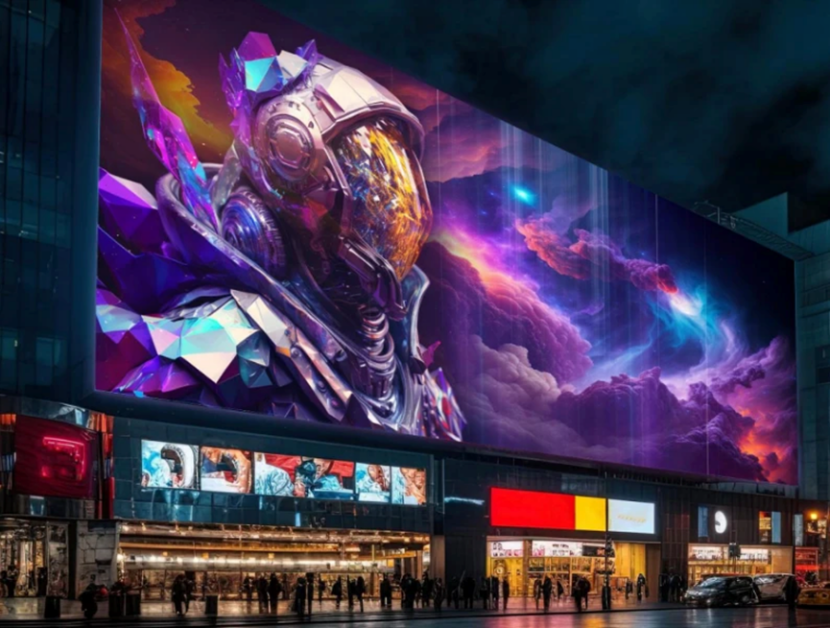
The Science of Visibility: What is cd/m2?
Luminance is a measurement of the amount of light emitted from a specific surface area in a specific direction. In the display industry, the standard unit for this is candela per square meter (cd/m²). While you may often see the term “nits” used in marketing materials, they are functionally identical: 1 nit equals 1 cd/m².
For outdoor digital signage, the cd/m² rating is the primary indicator of how well the screen can compete with ambient light. To put this into perspective, a standard indoor television typically operates between 250 and 400 cd/m². However, a screen placed in direct sunlight faces thousands of lux of ambient light. Without a sufficiently high cd/m² rating, the screen appears “washed out,” rendering your messaging unreadable and your advertising ROI non-existent.
Why cd/m2 is the Crucial Metric for Outdoor Digital Signage
When planning an installation, the environment dictates the required brightness. A display intended for a shaded bus shelter requires a different specification than a highway billboard or a stadium screen. Chainzone categorizes their solutions based on these rigorous environmental demands, ensuring that every project meets specific visibility benchmarks.
- Combating Solar Glare:Direct sunlight is the ultimate adversary of digital displays. For a screen to remain legible in high-brightness environments, it typically requires a minimum of 5,000 cd/m². Chainzone’s flagship outdoor series, such as the V-Plus and E4 Pro, are engineered to far exceed these standards, often reaching up to 10,000 nits to ensure stunning image clarity even in peak daylight.
- Standards for Traffic and Safety:In the realm of intelligent traffic systems (ITS), brightness is not just about aesthetics—it is about safety. Chainzone was one of the first manufacturers to earn the European EN12966 certification. This standard mandates specific luminance levels (often exceeding 12,400 cd/m² for certain pixel pitches) to ensure that Variable Message Signs (VMS) remain visible through rain, fog, and glare.
- Contrast and Color Accuracy:High brightness alone isn’t enough. Effective outdoor digital signage must maintain a high contrast ratio. By utilizing proprietary LOB (LED on Board) technology, Chainzone enhances the optical performance of their panels, providing deep blacks and vibrant colors that don’t degrade when the brightness is cranked up.
Navigating Chainzone’s High-Brightness Product Portfolio
Choosing the right hardware requires matching the pixel pitch to the viewing distance while ensuring the cd/m² rating fits the exposure level. They offer a diverse range of products designed for various outdoor scenarios:
- The V-Plus Series (10,000 nits):Designed for high-impact DOOH and highway billboards, this series is a powerhouse of visibility. With a brightness of 10,000 cd/m² and a refresh rate of up to 7,680Hz, it provides smooth, cinematic visuals that are “fearless” in the face of direct sunlight. It features an IP67-rated enclosure and a redundant power design for 24/7 reliability.
- The E4 and E4 Pro Series (6,000 – 8,000 nits):These are the workhorses of commercial plazas and building facades. Balancing energy efficiency with high performance, these displays offer flexible pixel pitches (from P3.9 to P10.4) and enough luminance to handle most urban outdoor environments.
- The E-Fine Series (Fine Pitch Outdoor):For street furniture and high-detail advertising where viewers are less than 5 meters away, they provide ultra-fine pitches (P1.9/P2.9) with customized brightness levels that ensure clarity without causing eye fatigue for pedestrians.
Technical Tips for Planning Your Signage Project
When you are in the planning phase, Chainzone recommends considering more than just the peak brightness number. A successful deployment involves a holistic approach to the “Luminance Lifecycle”:
- Automatic Brightness Adjustment
An outdoor screen should never run at 10,000 cd/m² at night. Doing so causes light pollution and wastes energy. Their intelligent control systems use light sensors to automatically dim the display during evening hours or overcast days, preserving the lifespan of the LEDs and reducing operational costs.
- Thermal Management
Higher brightness creates more heat. They utilize professional thermodynamic fin-shaped die-casting aluminum back covers in series like the EXL to dissipate heat effectively. This prevents “thermal throttling,” where a screen automatically lowers its brightness to protect its internal components from overheating.
- Durability vs. Brightness
In outdoor settings, UV exposure can degrade the resins used in standard LED packaging. They use LOB technology to protect the LED chips, ensuring that the screen doesn’t lose its brightness (lumen depreciation) over years of exposure to the elements.
Conclusion: Precision Engineering for Lasting Impact
In the world of outdoor digital signage, the cd/m² rating is the heartbeat of the display. It dictates the reach of your message and the professional image of your brand. By partnering with an experienced manufacturer like Chainzone, you gain access to more than just high-nit hardware; you benefit from a legacy of engineering excellence proven in the world’s most demanding environments—from the Las Vegas Strip to the sub-sea tunnels of Norway.
When planning your next project, remember that the goal is not just to be seen, but to be seen clearly. Whether you are installing a massive stadium scoreboard or a network of urban information kiosks, understanding the role of cd/m² ensures your investment stands the test of time and light.


