
In a world where urban landscapes are growing and travel demands continue to rise, the need for smart traffic management on expressways has become essential. At Chainzone, we focus on developing traffic solutions that help expressways operate more smoothly and safely. By combining advanced technologies with practical strategies, we can support better decision-making for both drivers and traffic managers. In this article, we explore how smart expressway guidance systems can improve traffic flow, enhance safety, and create a more connected travel experience.
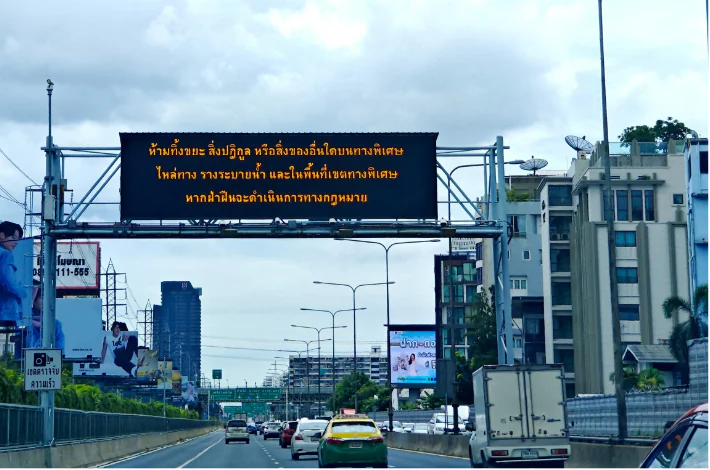
Understanding Smart Expressway Guidance
Expressways are critical arteries for regional and urban mobility. When these roadways become congested, the effects ripple outward, impacting commuter times, fuel consumption, and even emergency services. Smart traffic refers to the use of digital systems, sensors, and real-time data to monitor and manage vehicle movement on expressways. By applying these tools, we can respond to changing conditions with timely information and clear guidance that keeps roads moving effectively.
For example, when an accident occurs or roadwork begins, expressway guidance systems can inform drivers of potential delays and suggest alternative routes. These systems also provide updates about weather conditions that may affect traction and visibility. Rather than relying on static messaging alone, smart expressway guidance uses dynamic technologies that adapt instantly to current traffic conditions.
Key Components of Enhanced Expressway Guidance
Expressway guidance relies on a network of sensors, cameras, and communication platforms that work together to collect and share data. At Chainzone, we integrate multiple elements within our traffic solutions to offer a comprehensive picture of expressway conditions in real time. Variable Message Signs (VMS) play an important role by delivering timely messages directly to drivers on the road. These signs can convey lane closures, speed recommendations, and upcoming incidents that may affect travel.
Connected systems also include centralized management platforms that allow operators to monitor conditions across multiple expressway segments. With this visibility, traffic managers can update messages, adjust advisories, and coordinate responses quickly. Sharing accurate information helps drivers make informed decisions about their routes and speeds, which in turn supports smoother traffic flow.
Improving Safety and Efficiency
One of the primary aims of smart expressway guidance is to enhance safety for all road users. Expressways often carry high volumes of vehicles at high speeds, so timely alerts about slowdowns, hazards, or sudden changes in conditions help reduce the risk of collisions. When guidance systems communicate consistently, drivers are more likely to adjust their behavior in a safe and predictable way.
Efficiency also improves when expressway guidance systems reduce bottlenecks. By optimizing the speed at which traffic moves and preventing unnecessary stop-and-go conditions, we can lessen fuel waste and reduce driver frustration. These improvements have positive effects on the environment and on overall travel experience.
Integrating with Broader Traffic Strategies
Smart expressway guidance works best when it is part of a broader network of traffic solutions. At Chainzone, we believe in connecting expressway systems with city-wide traffic management platforms. The data collected from expressways can help inform traffic light timing, route planning for public transportation, and incident response across the entire network. By linking expressway guidance with other traffic data sources, we create a more unified and responsive system.
Conclusion
Smart expressway guidance is a valuable component of modern traffic management. By using real-time data, dynamic messaging, and centralized control, we can support safer and more efficient travel on busy roadways. At Chainzone, our traffic solutions are designed to bring clarity and connectivity to expressway environments. Through thoughtful implementation of smart technologies and ongoing system enhancements, expressway guidance contributes to a smoother journey for drivers and a more resilient transport ecosystem overall.


