
Determining the lifespan of a professional display requires an analysis of component degradation, thermal management, and environmental exposure. When building a digital signage network, the longevity of the hardware is often the most significant factor in calculating the total cost of ownership. While both technologies have evolved, their architectural differences lead to varying lifespans in commercial and industrial settings.
Degradation and Half-Life in Display Technology
The lifespan of a display is typically measured by its “half-life,” which is the number of hours the screen can operate before its brightness reaches 50% of its original level. Standard commercial LCD panels generally offer a lifespan ranging from 30,000 to 50,000 hours. Because LCDs rely on a backlight system to illuminate liquid crystals, the constant heat and power required by the backlight can eventually cause the organic materials in the panel to degrade, leading to yellowing or “image persistence” over time.
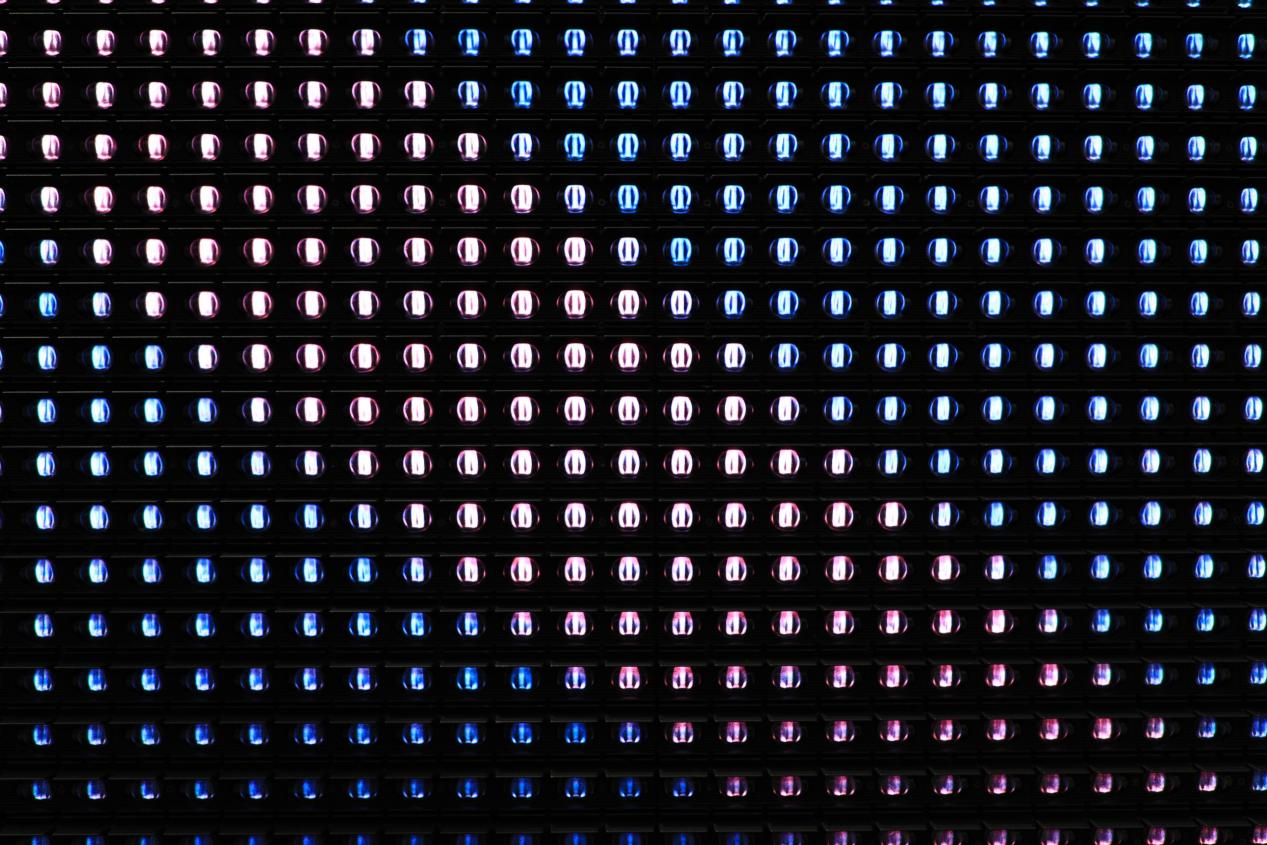
In contrast, a high-quality LED display solution is often rated for 100,000 hours of operation. Since LED technology is emissive—meaning each diode produces its own light—there is no centralized backlight to fail. Furthermore, the inorganic nature of the light-emitting diodes allows them to withstand continuous 24/7 operation with slower and less severe degradation than the liquid crystal layers found in LCDs. However, the actual longevity of an LED system is heavily dependent on the quality of the driver ICs and the efficiency of the thermal management system.
Factors Influencing Hardware Longevity
Heat is the primary enemy of electronic longevity. In a digital signage environment, displays that lack proper ventilation or efficient power architectures will experience accelerated diode aging. Professional systems mitigate this through modular designs that allow for the replacement of individual components. If a single module in an LED wall fails, it can be swapped out without replacing the entire unit, effectively extending the functional life of the installation far beyond that of a standalone LCD monitor.
Engineering for Durability at Chainzone
At Chainzone, we prioritize structural and electronic reliability to ensure our hardware exceeds industry standard lifespans. We utilize a proprietary Lens On Board (LOB) technology, which applies a specialized protective lens over the diodes. This not only enhances optical performance but also acts as a physical barrier against moisture and dust while facilitating superior heat dissipation.
By regulating the thermal load through advanced common-cathode or dual-voltage architectures, we can reduce power consumption compared to traditional screens. This reduction in energy usage directly correlates to lower operating temperatures, which preserves the integrity of our LED display solution over the long term. Additionally, our IMP management platform allows for real-time health monitoring of every Chainzone display in your network. By providing pixel-level diagnostics and remote calibration, we help our partners maintain peak visual performance for the full duration of the hardware’s 100,000-hour design life.


